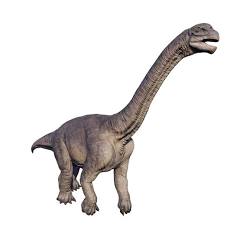
Camarasaurus was a, common, mid-sized, long-necked, herbivorous, dinosaur, (sauropod), that, lived, in, North, America, during, the, Late, Jurassic, Period, (approx. 150 million years ago). Known for its “chambered” vertebrae (giving it the name “chambered lizard”), it reached lengths of 50-75 feet and weighed up to 20-50 tons. It had a short, thick snout, robust teeth for eating tough vegetation, and lived in herds. National Park Service (.gov) +5
Key Facts about Camarasaurus
- Name Meaning: The name Camarasaurus means “chambered lizard,” referring to the hollow chambers in its vertebrae which were part of a complex, lightweight respiratory system.
- Size and Structure: While often described as mid-sized compared to giants like Diplodocus, it was still large, measuring 50–75 feet (15–23 meters) in length and standing 15–25 feet tall. It had a surprisingly short, stout neck and a blunt, square-shaped head.
- Diet: Camarasaurus was a herbivore that utilized large, spoon-shaped teeth to consume tough conifers and coarse plant material, unlike many other sauropods that had peg-like teeth.
- Habitat and Abundance: It was one of the most common dinosaurs in the Morrison Formation of the Western United States. They lived during the Late Jurassic period, roughly 155 to 145 million years ago.
- Social Behavior: Fossil evidence, including mixed-age bone beds, suggests they traveled in herds or family groups and likely migrated to find food.
- Reproduction: Eggs have been found in lines, suggesting they may have laid their eggs while walking rather than in a structured, protected nest.
- Defense: They likely defended themselves against predators like Allosaurus by using their massive weight and a large claw on their front feet